
The AUM Growth Engine for Investment Marketing
5 Drivers That Fuel Capital Raising
At a Glance
-
Modern investment marketing services go well beyond communications support—now directly influencing capital formation
-
Growth depends on aligning visibility, engagement, narrative clarity, experience, and proof
-
These drivers shape investor understanding, confidence, and long-term retention
-
Firms connecting them into one integrated system consistently outperform those using disconnected tactics
Marketing’s Evolved Role in Investment Growth
Investment marketing has moved from a support function to a growth engine. Allocators conduct most of their evaluation before a first meeting. A firm’s communication quality increasingly signals whether it is institutional-grade and operationally disciplined.
Leading managers now take a systemized approach, aligning insights, storytelling, digital channels, and analytics into a single growth architecture. In this framework, there are five distinct drivers forming the core of that engine, with each reinforcing how investors discover, evaluate, and commit to a manager.
1. Firm Visibility: Awareness That Builds Familiarity
Visibility still matters, but today’s advantage comes from being recognized and understood by the right audiences before outreach begins. Effective visibility blends three coordinated efforts:
-
Investment content marketing to demonstrate insight
-
Public relations to validate expertise through trusted channels
-
Financial Industry digital advertising to sustain presence with high-intent investors
When these touchpoints reinforce the same narrative, investors begin associating the firm with clarity, expertise, and professionalism. That recognition becomes the starting point for trust and accelerates the move from awareness to interest.
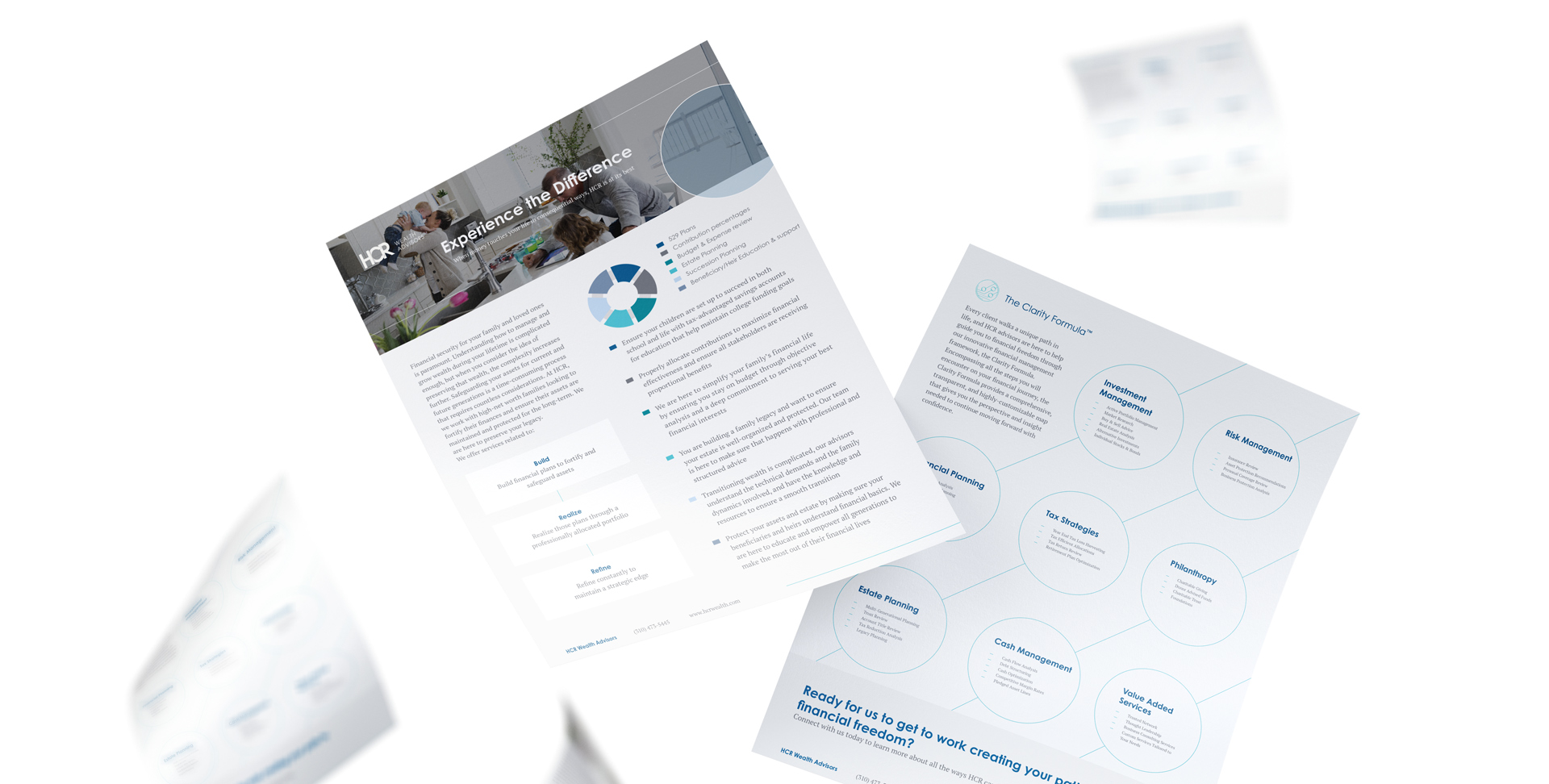
Visibility builds familiarity. Familiarity builds trust. And trust opens the door to capital.
2. Investor Engagement: Sustaining Interest Between Touchpoints
Engagement used to be distribution; now it’s relationship-building in real time via articles, videos, webinars, social updates, and commentary that show how the firm thinks about markets and risk. The most effective firms create a connected content ecosystem: a webinar supported by a companion article, or a case study reinforced through social and email. Each touchpoint adds depth rather than repeating the same message.
The following is a simple, repeatable mid-funnel engagement rhythm for investment firms to follow:
-
Define platform roles (e.g., visibility on LinkedIn; depth on website)
-
Build content clusters linking insights, case studies, and narratives
-
Automate follow-up sequences for high-intent readers
-
Maintain visual and narrative consistency across platforms
-
Monitor flow between channels (social → site → email → inquiry)
Robust engagement builds familiarity, but investors form real conviction to deploy capital through the quality of their direct interactions with the investment firm. An cohesive and informative user journey helps allocators connect the dots and establish knowledge of the firm quickly.
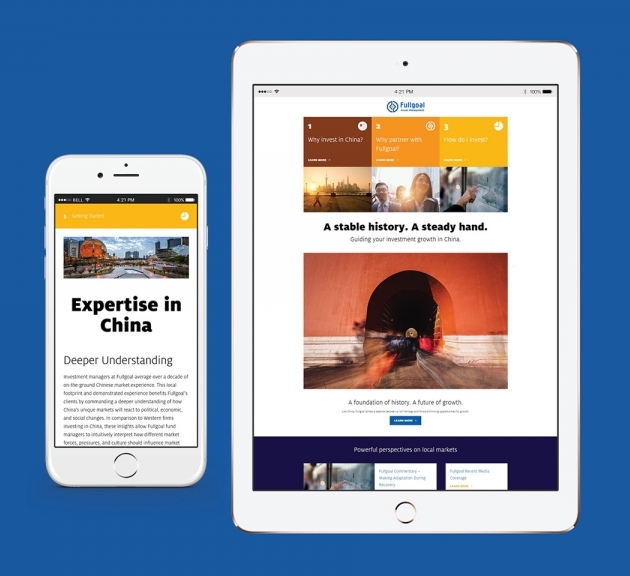
3. Investor Experience: Engineering High-Trust Touchpoints
Every allocator interaction—conference meetings, diligence calls, quarterly updates—shapes trust. Sophisticated firms design these moments intentionally, aligning design, messaging, and follow-up so the investor experience reflects the firm’s operational discipline. High-trust experiences have structure:
Before The Event: Provide context. A concise thesis, risk FAQ, or pre-meeting brief sets expectations.
During The Interaction: Lead with a clear narrative spine (who, what, how, why), tailored to allocator or consultant needs.
After The Meeting: Reinforce with a 24-hour recap and a short follow-up sequence across two weeks.
When firms deliver consistent, timely, and professional interactions, investors interpret it as a direct signal of quality—and it strengthens every subsequent communication.
4. Brand Positioning: Make Yourself Understandable
Complex strategies often create complex explanations. Clear positioning makes in-depth information clear to the audience. Effective positioning organizes a firm’s philosophy, process, and differentiation around how investors evaluate managers. Good positioning does three things:
-
Establishes the firm’s intellectual center of gravity
-
Makes the strategy structure understandable without oversimplifying
-
Creates consistency that ties visibility, engagement, and experience together
When investors can easily explain a firm to others, credibility rises, and the path from introduction to commitment shortens.
5. Proof & Optimization: Knowing What Actually Drives Growth
Without measurement, marketing remains activity rather than progress. Modern analytics allow firms to connect communication efforts to investor engagement and capital flow.
This visibility shows which topics drive meeting requests, which channels influence allocators, and which messages increase conversion. With this insight, firms refine efforts, eliminate ineffective work, and compound the results that matter most.
|
METRIC |
WHAT IT SHOWS |
|---|---|
|
Cost per qualified lead |
Efficiency of targeting and visibility |
|
Meeting conversion rate |
Strength of mid-funnel engagement |
|
Allocator engagement by content type |
What resonates and why |
|
Reinvestment rate |
Trust and long-term relationship strength |
Simply put, measurement transforms marketing from guesswork to a performance discipline.
Building the Integrated System
Each driver—visibility, engagement, experience, positioning, and proof—creates incremental value on its own. The growth engine emerges when they operate sequentially and reinforce one another.
→ Visibility sparks recognition.
→ Engagement builds relevance.
→ Experience builds trust.
→ Positioning clarifies value.
→ Proof refines performance.
Together, they form a compounding system that converts communication into capital.

The Investment Firm Marketing Checklist
|
FUNCTION |
GOAL |
COMMON MISTAKE |
SUCCESS METRIC |
|---|---|---|---|
|
Branding & Content |
Demonstrate expertise |
Generic topics or visuals |
Recall & inbound quality |
|
PR & Advertising |
Earn and amplify credibility |
Uncoordinated timing |
Share of voice, CTR |
|
Social & Email |
Nurture trust over time |
Irregular updates |
Engagement & list growth |
|
Events & Comms |
Deepen relationships |
Weak follow-up |
Re-ups, investor feedback |
|
Analytics |
Optimize ROI |
No closed-loop tracking |
Lead-to-meeting conversion |
Why iNVESTMENT grOWTH mARKETING Matters Now
The investment landscape is competitive, digital-first, and fast moving. Investors expect clarity, modern communication, and organized follow-up at every stage of evaluation. An integrated marketing engine provides the structure to meet those expectations with consistency and discipline.
For firms committed to sustainable growth, marketing is no longer a cost center—it’s the infrastructure that turns visibility into trust and trust into long-term capital.
The Strategic Takeaway
Investment marketing’s value now lies in the precision and integration of the system behind it. Firms aligning visibility, engagement, experience, positioning, and analytics are turning content into conversations and conversations into commitments.
“Marketing, executed with discipline, is now a measurable driver of growth”
Ready to align your marketing engine for measurable growth?
With more than 25 years of financial-sector experience, MBC Strategic partners with investment managers to turn communication into capital through fully integrated, insight-led investment marketing services.
Request a proposal to see how we can connect strategy, storytelling, and measurable results.
Frequently Asked Questions
Q. What makes investment marketing different from general marketing?
It’s specialized. Compliance, technical depth, and the need for credibility make every word matter. Investors judge understanding and professionalism from communication quality.
Q. Which areas of investment marketing most influence capital raising?
Consistent visibility, clear positioning, and coordinated investor communication have the greatest impact on how quickly interest turns into meetings.
Q. How can investment firms measure marketing success?
By tracking progress through the funnel: awareness, engagement, meeting conversion, and investor retention. The data tells the story of efficiency.
Q. Why is marketing integration so important?
When brand, digital, and content efforts support the same message, investors experience coherence. That coherence builds confidence faster.
Q. When should a financial firm reassess its marketing program?
After a rebrand, fund launch, or leadership change—or anytime materials feel disjointed. Alignment is the first sign of maturity investors look for.